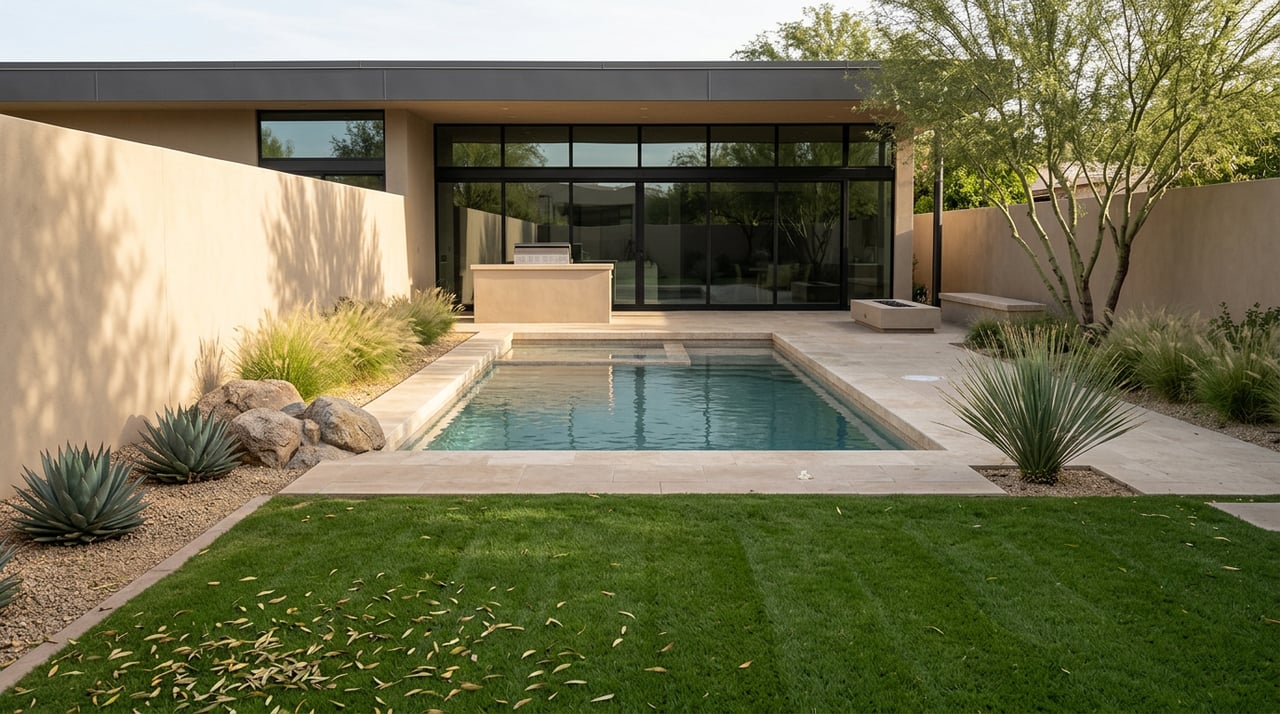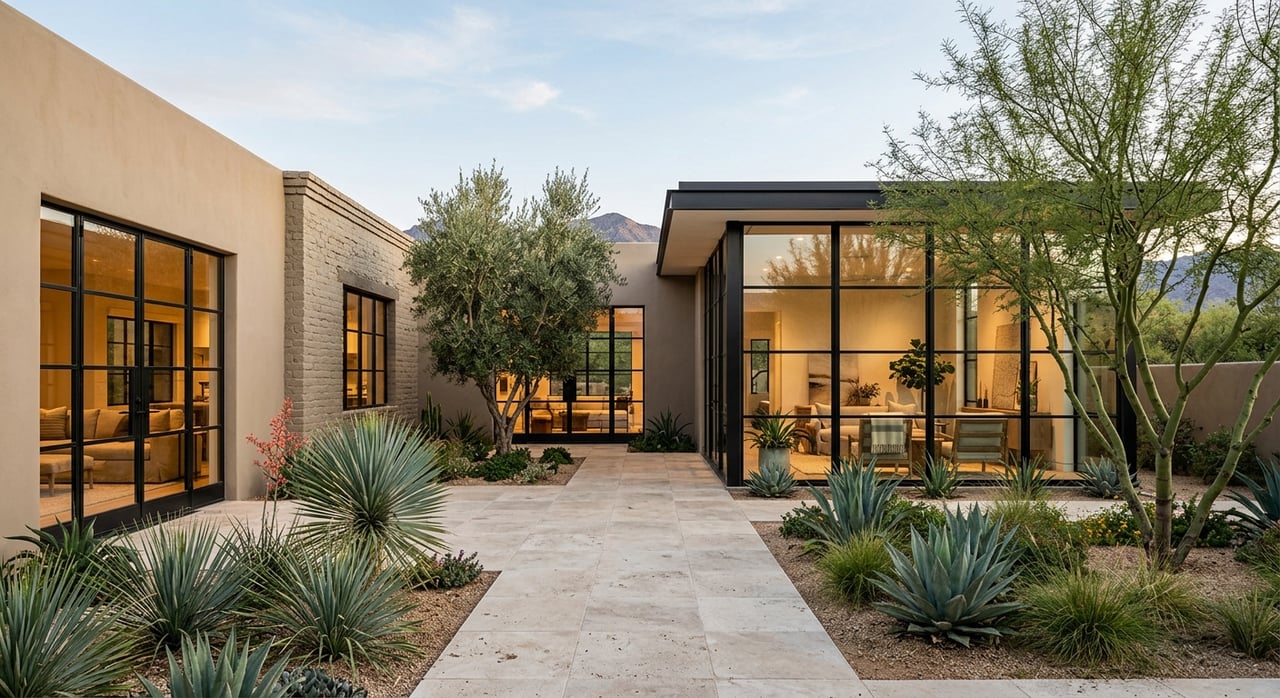
If you are weighing a home in Gainey Ranch, the real question usually is not brand-new versus old. It is whether an original-era home with future projects makes sense for you, or whether a renovated resale offers the smoother path. In a well-established Scottsdale community known for amenities, security, and a range of home styles, that decision can shape your budget, timeline, and day-to-day ownership experience. Let’s break down what matters most.
Gainey Ranch housing reality
Gainey Ranch is an established master-planned community in Scottsdale with 18 residential communities made up of both single-family homes and condominiums. According to the Gainey Ranch Community Association, development began in the mid-1980s after Daniel C. Gainey sold the original 560 acres in 1980.
That history matters because most buyers here are not choosing from a large pool of newly built homes. Based on the community history and current sample inventory reviewed through the official Gainey Ranch live-feed, the more common comparison is original-era homes versus renovated resales.
Why this choice matters
At first glance, two homes in the same community can seem similar. In practice, one may have updated systems, a reworked floor plan, and fewer near-term repair needs, while another may offer a lower entry point but require additional spending after closing.
In Gainey Ranch, this is especially important because you are often buying into the same strong location, amenities, and association structure either way. The key difference is how much work has already been done and how much flexibility you will have if you want to make changes yourself.
What current inventory shows
The sampled inventory in the research spans a wide range of sizes, prices, and build years. Examples included a 954-square-foot townhouse at $494,000, a fully redone 1987 townhouse around $700,000, a 2,057-square-foot townhouse at $1.39 million, a 2,645-square-foot single-family home at $1.425 million, and a 4,217-square-foot Enclave residence at $3.75 million through the GRCA property feed.
That spread shows how renovation can significantly influence pricing, even when homes are within the same broader community. It also reinforces that your decision is less about “new construction” and more about condition, systems, finishes, and maintenance outlook.
Benefits of renovated homes
A renovated home can simplify your move and reduce uncertainty. If the seller has already updated key systems and finishes, you may avoid the disruption of living through projects or coordinating contractors right after closing.
One current example in the research highlighted a townhouse marketed as completely redone. Another listing described a single-family home with a newer roof, dual HVAC systems, a new water heater, a new pool pump and filter, and updated electrical in the official Gainey Ranch listings. Those updates can materially improve the ownership experience without changing the lot, setting, or community access.
When a renovated home may fit you best
A renovated resale may be the better choice if you want:
- A more turnkey move
- Less immediate capital spending
- Updated kitchens, baths, and flooring from day one
- Greater confidence around major systems
- A shorter path to enjoying the home seasonally or full-time
For second-home buyers, relocation buyers, or anyone managing a purchase from out of state or overseas, that convenience can be especially valuable.
Benefits of original-era homes
An original or lightly updated home can still be a smart option. In some cases, it may offer a more attractive purchase price, and it may give you the chance to personalize finishes over time.
This can appeal to buyers who prefer to control design decisions rather than pay a premium for someone else’s renovation choices. It may also work well if you are focused on the long-term value of the location and are comfortable planning updates in phases.
When an original home may fit you best
An original-era home may make sense if you want:
- More room to customize over time
- A potentially lower upfront price point
- The ability to prioritize projects based on your budget
- A chance to create your own design direction within community rules
That said, the opportunity only works if you go in with a clear understanding of the approval process, likely costs, and maintenance responsibilities.
HOA approvals can shape your plans
One of the biggest factors in Gainey Ranch is that design freedom is not unlimited. The Master Architectural Committee application states that exterior changes require approval, including front- and back-yard landscaping, and condo owners must also submit interior changes for review.
The form includes a $45 fee, and beginning work before approval can lead to a $450 fine. If you are buying with renovation plans in mind, this should be part of your due diligence before you assume a quick post-closing remodel.
Community rules to know
Specific communities within Gainey Ranch may have additional standards. For example, The Estates architectural rules reference a neutral desert color palette, flat paint finishes, and restrictions such as prohibiting artificial stone veneer.
In the Golf Cottages, the community rules document notes approval requirements for hard-surface flooring changes in upstairs units, along with acoustic underlayment standards for sound mitigation. If you are comparing a move-in-ready condo to one you plan to redesign, these details can affect both cost and timeline.
Maintenance is not always what buyers expect
Many buyers assume a condo automatically means low maintenance. In Gainey Ranch, the reality can be more nuanced.
The GRCA community information explains that satellite associations employ GRCA to maintain landscape and building-maintenance elements. At the same time, the Golf Cottages rules indicate that homeowners may still be responsible for unit-level and limited common elements such as HVAC equipment, windows, and exterior doors.
That means a condo or townhouse can still carry meaningful ownership responsibilities, even if some exterior care is association-managed. If you are comparing home types, it is worth looking closely at exactly which items the association handles and which ones remain yours.
Budget beyond the purchase price
The purchase price is only part of the story. In Gainey Ranch, the more useful question is often how much near-term spending remains after you buy.
An updated home with a higher price may still be a stronger value if it reduces the chance of replacing roofs, HVAC equipment, water heaters, windows, pool systems, or other major items soon after closing. By contrast, a lower-priced home may become more expensive over time if several systems are nearing the end of their useful life.
HOA dues also vary
Sample listings in the research showed HOA fees ranging from $238 to $421 per month in the official property feed. That variation suggests dues depend on the specific satellite association and property type, not just home price.
As you compare options, it helps to look at the full ownership picture:
- Purchase price
- HOA dues
- Expected repair or replacement costs
- Planned cosmetic updates
- Approval timelines for any changes
Market context for buyers
Gainey Ranch remains a premium Scottsdale neighborhood with active demand and a range of inventory. Realtor.com’s neighborhood overview reported about 30 active homes, a median listing price of $1.425 million, 35 median days on market, and a 96 percent sale-to-list ratio.
While different data sources can measure the market differently, the broader takeaway is useful: buyers are not always forced into rushed decisions, but the neighborhood still commands premium pricing. That creates room for thoughtful comparisons, especially when you are deciding whether to pay more upfront for a finished product or reserve capital for future upgrades.
How to choose the right fit
The right answer depends on how you want to live, not just what looks best online. A fully renovated home may be ideal if you value convenience, seasonal use, or a predictable ownership experience. An original-era property may be better if you want to shape the home over time and are comfortable managing approvals, projects, and ongoing upkeep.
A smart comparison usually comes down to three questions:
- How much work do you want after closing?
- How much flexibility will the association allow for your plans?
- What major systems have already been updated, and what may still need attention?
When you evaluate homes through that lens, the decision becomes clearer.
If you are exploring Gainey Ranch, a tailored review of condition, association rules, and ownership costs can help you avoid expensive surprises and focus on the homes that truly fit your goals. For private guidance and a concierge-level buying experience, connect with MP Real Estate Group.
FAQs
Are there brand-new homes in Gainey Ranch?
- Based on the community history and sampled inventory reviewed, Gainey Ranch appears to function primarily as an established home market where buyers more often compare original-era homes and renovated resales rather than a large pool of new construction.
Do Gainey Ranch buyers need HOA approval for renovations?
- Yes. The master association requires an architectural application for exterior changes, including landscaping, and for all interior changes in condos.
Are renovated homes in Gainey Ranch worth the higher price?
- They can be, especially if the renovation includes major systems like roofing, HVAC, water heater, electrical, or pool equipment that may reduce near-term repair costs.
Does a condo in Gainey Ranch mean lower maintenance?
- Not always. Some maintenance is association-managed, but owners may still be responsible for items such as HVAC equipment, windows, exterior doors, and certain limited common elements.
How much are HOA fees in Gainey Ranch?
- Sample listings in the research showed HOA dues ranging from $238 to $421 per month, depending on the satellite association and property type.
What should buyers compare when choosing a home in Gainey Ranch?
- Focus on purchase price, condition, recent system updates, HOA dues, maintenance responsibilities, and any approval requirements for changes you may want to make.